Optimal Timing for Concrete Fire Pit Installations
Concrete fire pit installations require careful consideration of seasonal weather patterns and climate conditions. Optimal timing ensures proper curing, durability, and safety of the fire pit structure. The most suitable periods generally align with moderate temperatures and low precipitation, which facilitate proper setting and minimize issues related to weather exposure.
Spring offers moderate temperatures and longer daylight hours, making it ideal for installation. It allows ample time for curing before the colder months.
Summer provides warm weather and dry conditions, which are beneficial for concrete curing. However, extreme heat should be avoided to prevent rapid drying and cracking.
Fall's cooler temperatures and lower humidity create favorable conditions for concrete curing, especially before winter sets in.
Winter is generally not recommended due to cold temperatures and potential for frost, which can impair concrete curing and cause structural issues.
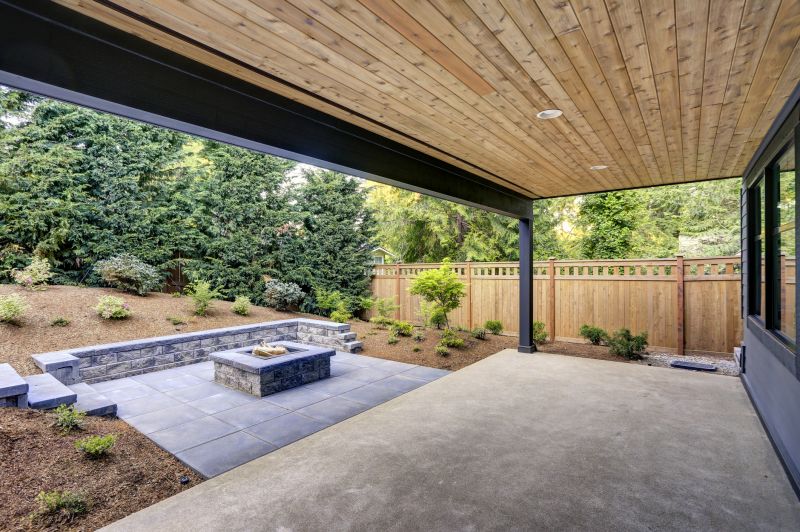
Ways to make Concrete Fire Pit Installations work in tight or awkward layouts.
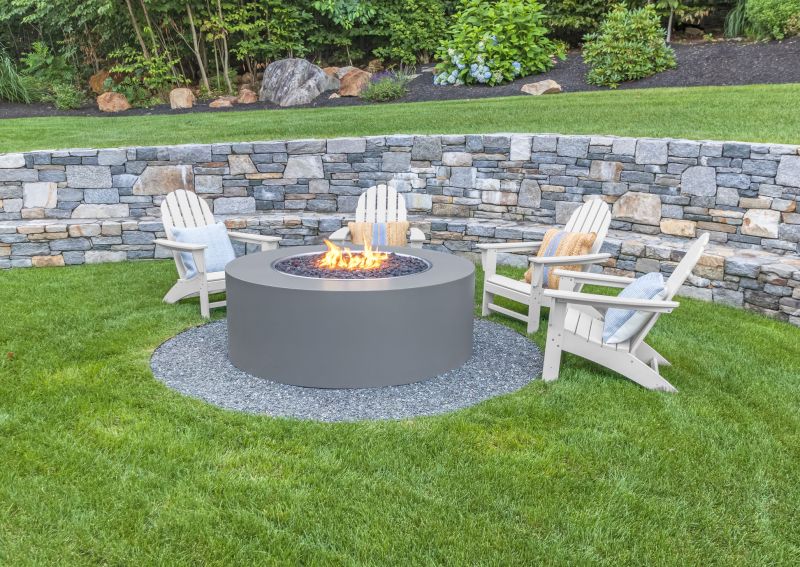
Popular materials for Concrete Fire Pit Installations and why they hold up over time.

Simple add-ons that improve Concrete Fire Pit Installations without blowing the budget.

High-end options that actually feel worth it for Concrete Fire Pit Installations.
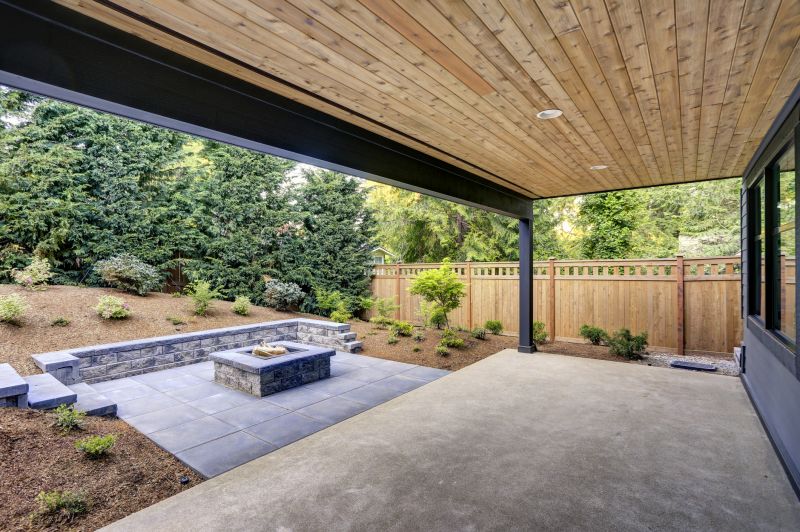
Finishes and colors that play nicely with Concrete Fire Pit Installations.

Little measurements that prevent headaches on Concrete Fire Pit Installations day.
Concrete fire pits are a popular choice for outdoor spaces due to their durability and customizable designs. Proper timing of installation is critical to ensure the longevity and performance of the fire pit. Concrete requires specific conditions for curing, typically involving warm, dry weather, and avoiding freeze-thaw cycles that can cause cracking or structural damage. Advanced techniques and materials can mitigate some weather-related risks, but timing remains a key factor in achieving optimal results.
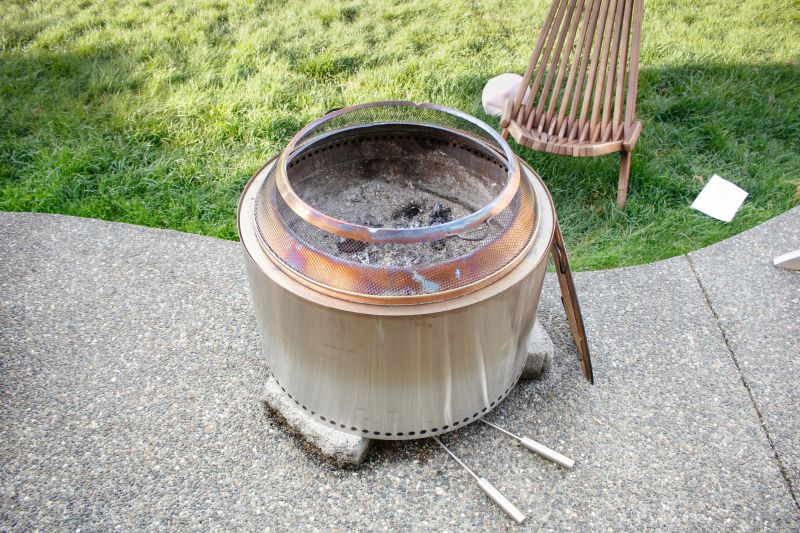
A 60-second routine that keeps Concrete Fire Pit Installations looking new.
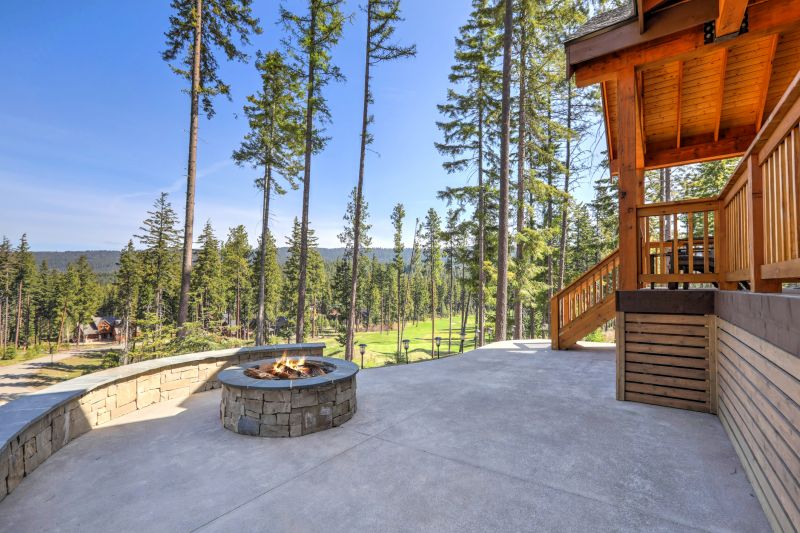
A frequent mistake in Concrete Fire Pit Installations and how to dodge it.

Small tweaks to make Concrete Fire Pit Installations safer and easier to use.
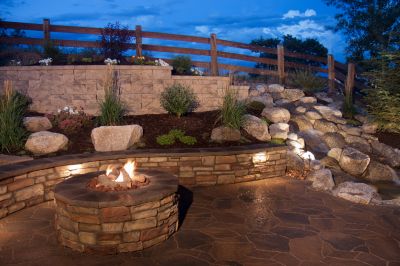
Lower-waste or water-saving choices for Concrete Fire Pit Installations.
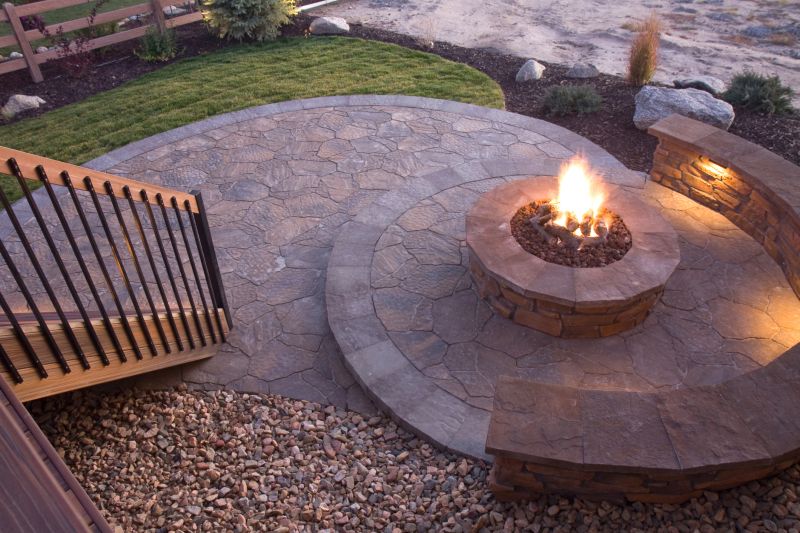
The short, realistic tool list for quality Concrete Fire Pit Installations.
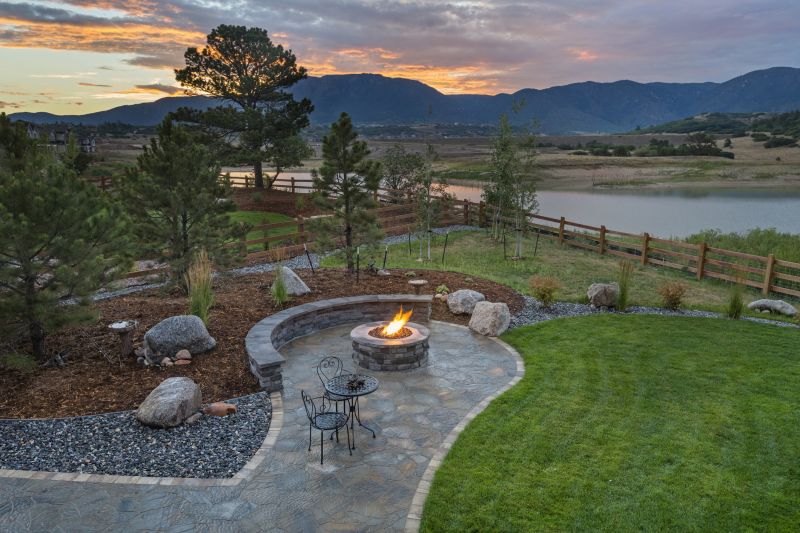
Rough timing from prep to clean-up for Concrete Fire Pit Installations.
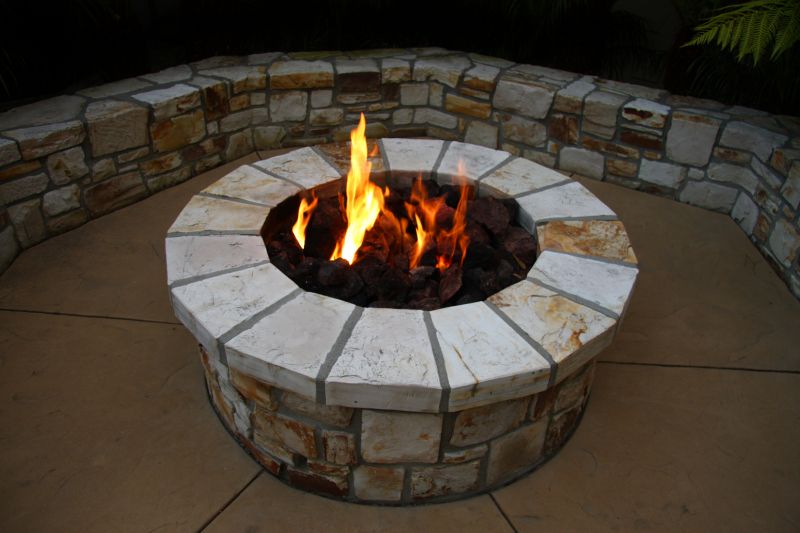
Quick checks and paperwork to keep after Concrete Fire Pit Installations.
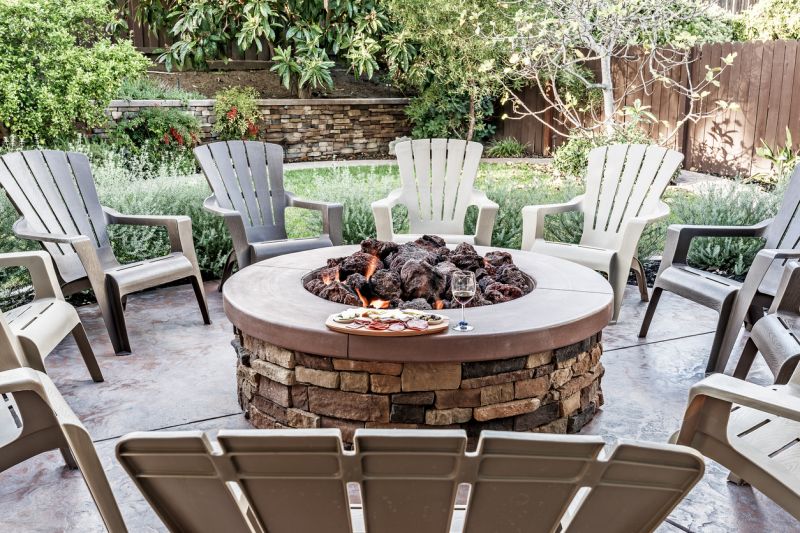
Examples that show the impact a good Concrete Fire Pit Installations can make.

Ways to make Concrete Fire Pit Installations work in tight or awkward layouts.
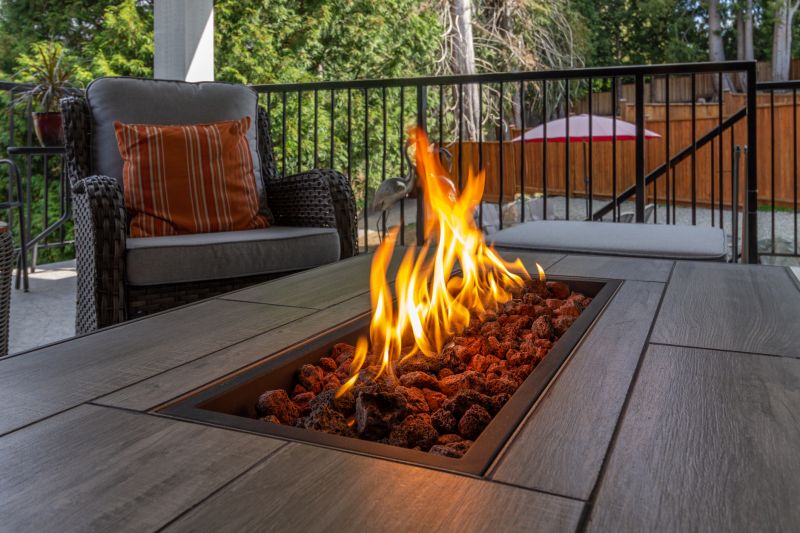
Ways to make Concrete Fire Pit Installations work in tight or awkward layouts.

Ways to make Concrete Fire Pit Installations work in tight or awkward layouts.

Ways to make Concrete Fire Pit Installations work in tight or awkward layouts.
| Season | Ideal Conditions |
|---|---|
| Spring | Moderate temperatures, low humidity, longer curing period |
| Summer | Warm and dry, avoid extreme heat |
| Fall | Cooler temperatures, low humidity, ideal before winter |
| Winter | Cold temperatures, frost risk, generally not recommended |
Selecting the appropriate time for concrete fire pit installation can significantly impact the durability and safety of the finished product. Proper planning around weather conditions ensures that the concrete cures correctly, preventing issues such as cracking, spalling, or structural failure. Consulting with installation professionals can help determine the best timing based on local climate patterns.
For those interested in installing a concrete fire pit, it is advisable to contact experienced providers to discuss timing and preparation. Proper scheduling and expert guidance contribute to a successful installation that meets aesthetic and functional expectations.